


Table of Contents

Starting school abroad can be an exciting but challenging experience for children and their parents. A new language, unfamiliar routines, and different teaching styles can make the first months overwhelming. Careful preparation, consistent support, and attention to your child’s wellbeing can make a significant difference in how quickly they settle in and gain confidence.
In this blog, we share practical and reassuring tips to help expat parents support their children, build friendships, adapt to a new environment, and successfully settle into school abroad while making the most of their education abroad.
In this blog, we share practical and reassuring tips to help expat parents support their children, build friendships, adapt to a new environment, and successfully settle into school abroad while making the most of their education abroad.
How expat parents can help children settle into school abroad
Expat parents often face unique challenges when helping their children adjust to a new school. A different language, unfamiliar routines, and new social settings can make the first months especially daunting.
According to an HSBC Expat Explorer survey, almost 50% of expat parents say their children take more than six months to feel at home in a new country, while 25% report that it takes more than a year. For many families, settling into a new school abroad is one of the biggest challenges of living overseas.
Here are our tips to help your child settle in at school abroad.
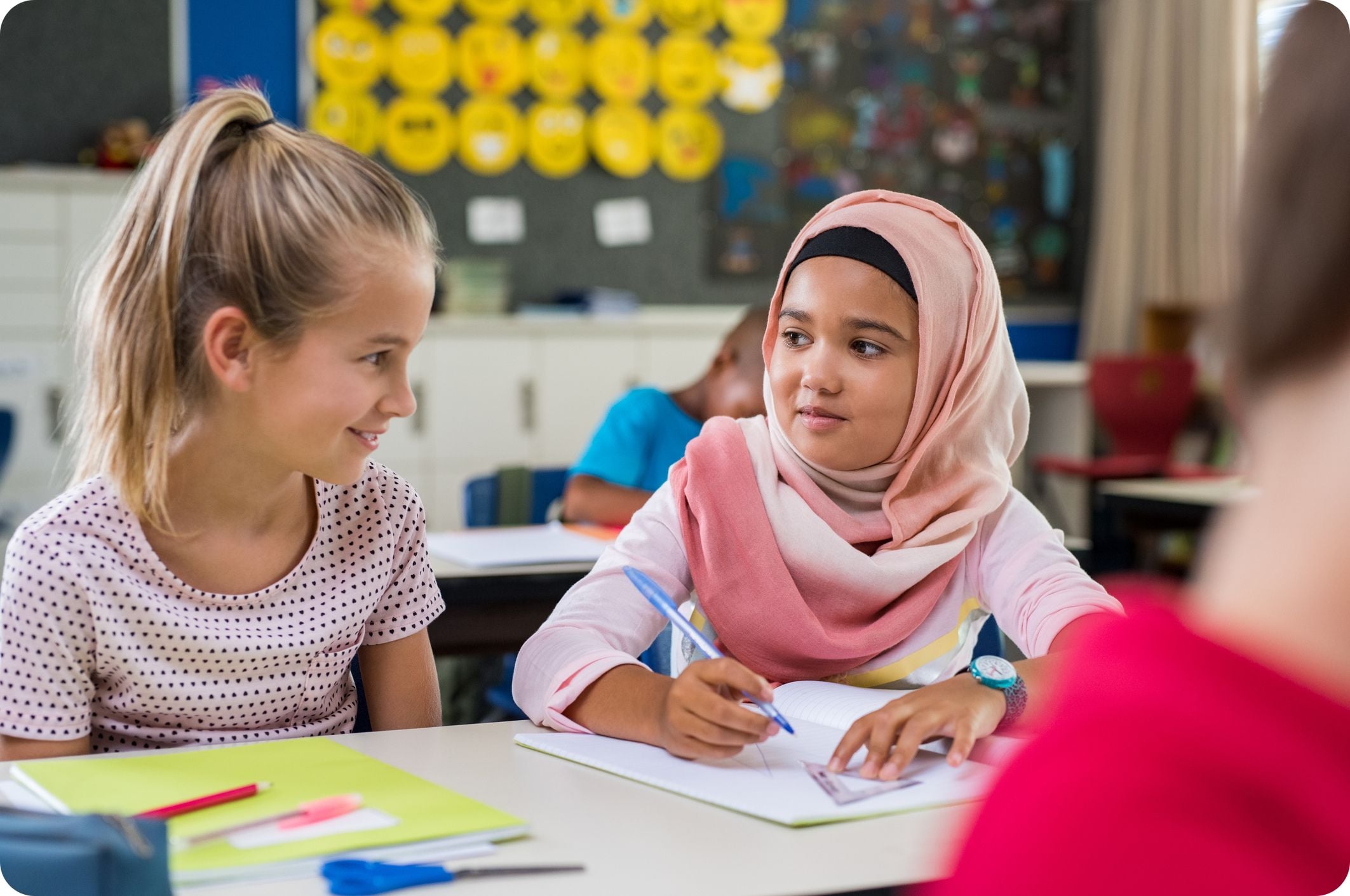
1. Move ahead of the school year
Wherever possible, move with as much time ahead of the school start date as possible, as this will give your child an opportunity to adjust to their new home surroundings first. This preparation reduces stress and helps children settle in more smoothly.
2. Organise language classes before starting school abroad
Being surrounded by people speaking a different language in a new country can be stressful for children. Why not help them learn the language by practicing along with them through games, picture books, or television? Reading bilingual books together will allow more natural transition as opposed to reading books in a new language only.
Organising some extra language tuition with a private tutor can help them to pick up the language quickly and be able to talk to other children at school or in the park. Once they can easily communicate with their peers, you’ll find that they settle in quite quickly.
3. Visit the school before your child starts
One of the best ways to help children adapt to a new school is to organise a visit there beforehand so when the first day at school finally arrives, they’ll be more familiar with the surroundings.
Most schools can arrange a visit so you and your child can explore the classrooms and facilities before the first day. If an in-person visit isn’t possible, browse the school’s website or social media together to see the types of lessons and activities offered. Many schools also provide virtual tours or the option to speak with a teacher via video call, allowing your child to ask questions and feel more comfortable before starting school abroad.
4. Help your child make new friends
One of the biggest challenges for children when moving abroad and starting in a new school is having to make new friends. While you can’t go in and make friends for them, you can help facilitate friendship building by organising a play date or meet-up with a classmate. This will not only help them feel more comfortable in their new environment but also give them a support network.
5. Encourage extracurricular activities and social connections
Another way to help your children form new friendships is to encourage them to participate in after school activities. This will not only expand their social circle but also encourage them to have fun and keep busy.
Help them choose one or more activities they might enjoy and get them enrolled as soon as you can. It might be easier for them to connect with their peers over a shared interest like sports, music, art or drama than it is for them to connect during the school day.
You could also look into expat meet ups, where your child can enjoy a break from struggling with a new language and culture, and can just relax with some like-minded children from a similar background.
6. Encourage open communication
Talk regularly about their feelings and experiences. Encourage your child to express worries, ask questions, or share successes. Validating their feelings can help children process change and build resilience while adjusting to school abroad.
7. Connect with teachers and school staff
Building a relationship with teachers early allows them to understand your child’s needs and personality. Teachers can offer extra support, suggest helpful strategies, or integrate your child into classroom activities. This partnership helps ensure a smooth start to their education while living abroad. Keeping open communication with school staff also helps you stay informed and address any challenges promptly.
8. Encourage independence and problem-solving
Give your child opportunities to handle small challenges on their own, like packing their school bag, planning their day, or navigating a new route to school. Developing independence helps them build confidence and resilience while adjusting to a new school environment.
9. Celebrate small achievements
Recognise milestones like making a new friend, joining a club, or participating confidently in class. Celebrating progress, even in small steps, reinforces a positive attitude toward learning and helps your child thrive in their education abroad. Sharing these moments together can strengthen your bond and make the transition feel more rewarding.
10. Be patient and flexible
Every child adjusts at their own pace, and settling into a new school can take weeks or even months. Offer reassurance and stay flexible with routines or expectations. Showing patience, understanding, and encouragement helps your child feel secure, navigate challenges confidently, and gradually thrive in their new environment.
Allianz supports families living and studying abroad
Moving abroad for a new job opportunity or a family relocation comes with many exciting changes, but it can also bring challenges for your child’s education, your family’s wellbeing, and your peace of mind. Protecting yourself and your loved ones is key to enjoying a smooth transition.
Allianz’s international health insurance is designed specifically for professionals, families and expats living abroad, providing access to quality healthcare wherever life takes you.
Explore the Allianz Wellness Hub to take control of your wellbeing and enjoy peace of mind throughout your expat journey. Access expert advice, fitness guidance, mental health support, and nutrition tips all in one convenient place.
Frequently asked questions about helping children settle into school abroad
Every child adapts at their own pace, but many children need several weeks or months to adjust to a new school, language and social environment. Factors such as age, personality, language ability and previous experience living abroad can all influence how quickly they settle in.
Encourage your child to participate in extracurricular activities, school events, sports teams, and social gatherings. These opportunities help children meet peers with similar interests, build confidence, and develop friendships both inside and outside the classroom.
Learning basic language skills before relocating can help children feel more confident and communicate more easily with teachers and classmates. Even a basic understanding of greetings and everyday phrases can make the transition to a new school and culture less intimidating.
Disclaimer: This information is for general guidance only and is not intended as legal, medical, financial, tax, or immigration advice. Rules and situations may change, so please do not rely on this content alone. For advice based on your personal circumstances, speak with a qualified professional.
Are you moving abroad?
Before venturing to another country, make sure you have a health insurance plan you can rely on
Meet the author
Allianz

At Allianz Partners, Health, our blog is crafted by a team of experts dedicated to providing valuable insights and guidance on global health and insurance topics. With a focus on expatriates, international businesses, and individuals navigating healthcare abroad, our authors bring a wealth of knowledge and experience to every article.
We aim to deliver practical advice, industry updates, and actionable tips to help you make informed decisions, whether you're exploring international health insurance, managing employee health plans, or staying informed about the latest healthcare trends. Trust our blog to be your go-to resource for navigating the world of global health and insurance.