

Wetlands are critical ecosystems that support biodiversity, freshwater, and climate resilience.

Richard Lee Podcast: Protecting Wetlands for People & Climate
Wetlands are often overlooked, yet they play a vital role in sustaining freshwater, supporting biodiversity, and buffering communities against the impacts of climate change. In this episode of the Allianz Water Expert podcast series, Michelle Brogan speaks with Richard Lee, Global Head of Communications at Wetlands International, about the urgent need to protect and restore these essential ecosystems.
Drawing on his experience with WWF, the BBC, and the Open Society Initiative for Southern Africa, Richard discusses why wetlands are undervalued, how their degradation contributes to the global water crisis, and the innovative ways communication and partnerships can inspire action. He explores the role of businesses in water stewardship, the importance of collective action at river basin levels, and why healthy wetlands are central to climate resilience and freshwater security.
Tune in now to learn how safeguarding wetlands can strengthen communities, economies, and nature for a sustainable water future.
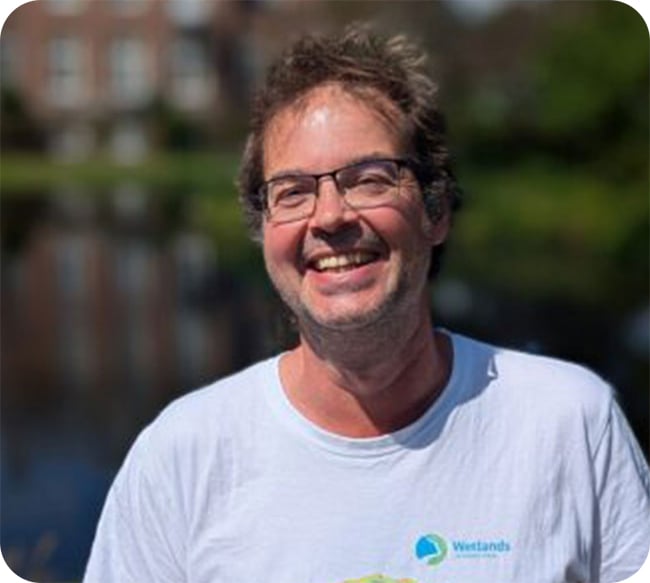
Richard Lee – Wetlands Conservation Expert & Global Water Communications Leader
Richard Lee is Global Head of Communications at Wetlands International, a global NGO dedicated to conserving and restoring wetlands. Formerly Global Freshwater Communications Lead at WWF, he has shaped international strategies on freshwater ecosystems. With a background in journalism and public affairs, including roles at the BBC, the UN, and the Open Society Initiative for Southern Africa, Richard leads campaigns that highlight the role of wetlands in biodiversity, climate resilience, and sustainable development. He is recognised for using storytelling and creative media to inspire action for freshwater conservation.
FAQ: Wetlands, water and climate resilience
Water comes from nature, not taps. Wetlands, rivers, lakes and aquifers store and supply our water, yet they are often overlooked and degraded, making the water crisis worse.
Wetlands are often seen as wastelands or inconvenient spaces to drain or build on. At the same time, their value for water, food and livelihoods has led to overuse and damage.
Despite decades of advocacy, wetland loss continues. Communication hasn’t cut through strongly enough and needs clearer language, wider partnerships and new approaches.
By using simple language, focusing on real water challenges people face, and linking wetlands to health, livelihoods and resilience rather than technical terms.
Freshwater species show the scale of damage clearly. Their populations have declined by around 85% since 1970, signalling serious ecosystem collapse.
Most climate impacts are water-related. Healthy wetlands reduce flooding, store water during droughts and protect coastlines from storms and sea-level rise.
Yes. Peatlands are major carbon stores. When healthy, they lock carbon away; when drained, they release emissions and worsen climate change.
Both are essential, but protection comes first. Preventing loss is cheaper and more effective, while restoration helps repair already damaged ecosystems.
Significantly more investment. Governments must meet commitments, and businesses and investors need to scale up funding through collective action.
Businesses face increasing water risks. By investing together at river basin level, they can strengthen resilience and protect long-term operations.
Yes. Collaboration between governments, communities and organisations is growing, supported by local solutions, innovation and rising awareness of water risks.
Healthy wetlands are vital for water security, climate resilience and economies. Protecting and restoring them is essential for a sustainable future.
Allianz Water Hub
Check out the new Allianz Water Hub to discover importance of water security and conservation and how to protect and improve your own water supply for your family, business and own personal health