
AI Mental Health Support for Organisations

November 04, 2026 | 4 Min Read

Table of Contents

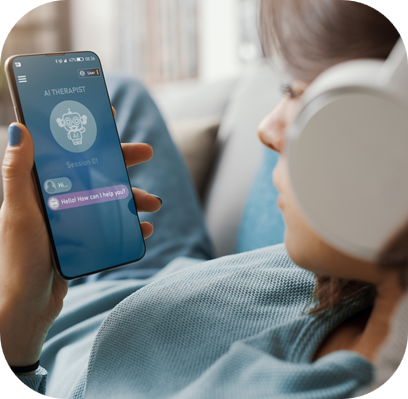
Woman wearing headphones and using an AI mental health app

AI-powered mental health tools are becoming a more common feature of workplace wellbeing programmes, giving employees easier access to guidance, information and support whenever they need it. These technologies can help organisations expand the range of mental health resources available to their workforce, but they also raise important questions around privacy, accuracy, trust and the role of human care.

Recognising both the opportunities and the limitations of AI mental health support can help organisations make informed decisions about how these tools fit within a wider health and wellbeing strategy.

The digital mental health landscape has expanded rapidly, with more than 20,000 mental health apps now available across the iOS and Google Play stores, according to ORCHA. Many of these platforms are also beginning to incorporate artificial intelligence, offering new ways to deliver and personalise digital mental health support.

AI mental health support refers to digital tools that use artificial intelligence to provide mental health information, emotional support and wellbeing resources. These can range from conversational chatbots and virtual wellbeing assistants to mood-tracking apps and other AI-powered platforms that respond to user input, answer questions and recommend coping strategies.

Using technologies such as natural language processing and machine learning, these platforms can generate tailored guidance based on the information shared. 
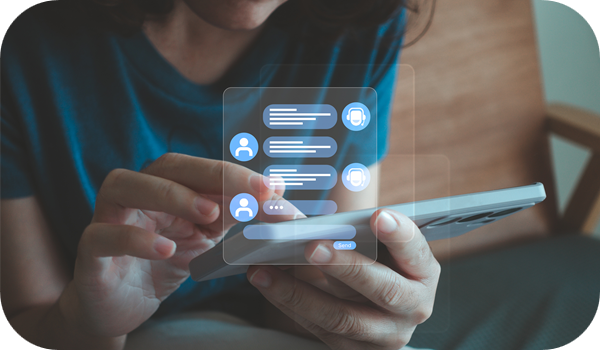
Woman typing on phone to an AI chatbot about mental health

Used alongside existing wellbeing initiatives, AI mental health tools can help organisations strengthen their support offering and improve access to mental health resources across the workforce.

Potential benefits for organisations include: 

  • 24/7 access to support: Employees can access wellbeing resources, coping techniques and guided exercises whenever they need them, including outside traditional working hours.
  • Early guidance and signposting: AI tools can help employees explore concerns, build self-awareness and connect with relevant wellbeing resources or professional support where appropriate.
  • Cost-effective scalability: AI tools can help organisations expand access to mental health support across their workforce in a cost-effective and scalable way.
  • Personalised employee experiences: Many AI-powered platforms can adapt recommendations based on an employee's interactions, offering more relevant resources, exercises and wellbeing guidance over time.
  • Greater reach across the workforce: Digital tools can complement existing wellbeing initiatives, helping organisations extend support to larger and more geographically dispersed teams.
  • Workforce wellbeing insights: Aggregated and anonymised data can help organisations identify broader wellbeing trends, such as rising stress levels, workload pressures or potential burnout risks across teams.

While AI mental health tools can improve access to wellbeing resources, they also present important risks for organisations to consider.

  • Limits of AI mental health support: AI tools can provide guidance and wellbeing resources, but they cannot replace the expertise, empathy and clinical judgement of qualified mental health professionals.
  • Overreliance on AI: AI tools can be a helpful source of support, but relying on them too heavily may discourage employees from seeking human interaction or professional care when it is needed.
  • Sensitive employee data: Mental health information is among the most sensitive personal data an organisation may handle. Organisations should understand exactly how AI tools collect, store and use employee data, as unclear or inadequate data practices can quickly erode trust.
  • Encouraging unhelpful thinking patterns: AI tools may sometimes validate a user's thoughts without recognising when they are unhelpful or potentially harmful, making it harder to identify when professional support may be needed.
  • Risk of misdiagnosis: AI systems may misinterpret symptoms or provide unsuitable guidance, which could lead employees to misunderstand their mental health needs or delay seeking appropriate professional support. 
  • Fairness and accountability concerns: AI tools may reflect biases in the data they are trained on, potentially affecting how they respond to different users, while responsibility can be unclear when inappropriate guidance leads to harm.

Effective AI mental health support should be part of a wider approach to employee wellbeing, with a focus on providing safe, accessible and appropriate support.

  • Built with clinical expertise: AI mental health tools should be developed and regularly reviewed with input from qualified mental health professionals to help ensure guidance is accurate, evidence-based and aligned with best practice.
  • Easy to access and use: The most effective tools are intuitive, engaging and designed to encourage employees to seek support when they need it.
  • Clear pathways to human support: Employees should be able to access professional or emergency support when needed, with clear escalation processes for situations that require human intervention.
  • Part of a wider wellbeing strategy: AI should complement, rather than replace, existing wellbeing programmes, employee assistance services and healthcare support.
  • Protecting employee privacy: Organisations should understand how employee data is collected, stored and protected, including who can access information and how it is used.
  • Regular monitoring and oversight: Organisations should regularly assess AI tools to ensure they remain inclusive, culturally appropriate and free from potentially harmful or biased outputs.
  • AI mental health support is creating new ways for organisations to provide employees with accessible digital wellbeing resources.
  • AI tools can offer benefits such as greater accessibility, scalability and personalised support, but their effectiveness can vary.
  • Privacy, accuracy, bias and overreliance are important considerations when introducing AI into workplace mental health support.
  • Human expertise remains important, particularly where employees need professional or emergency mental health support.
  • The most effective approach is to integrate AI thoughtfully within a broader employee wellbeing strategy, with appropriate clinical oversight and ongoing monitoring.

Supporting employee mental health starts with giving people access to the right resources and professional support when they need it. Allianz Partners offers a range of global health services for expatriates, designed to support the health and wellbeing of employees and their families around the world.

Explore our international healthcare plans for employers and discover how Allianz Partners can support your organisation's global workforce.

Members can also access our Digital Medical check-up tool through the MyHealth portal to assess their health, identify potential risks and explore preventative measures. If you are not yet a member and want to learn more about our solutions, don’t hesitate to reach out to our Sales Support Team.