


Airplane Exercises: How to Prevent Poor Circulation, Swelling and Blood Clots on Long Flights
By Allianz | July 17, 2026 | 5 Min Read
Table of Contents
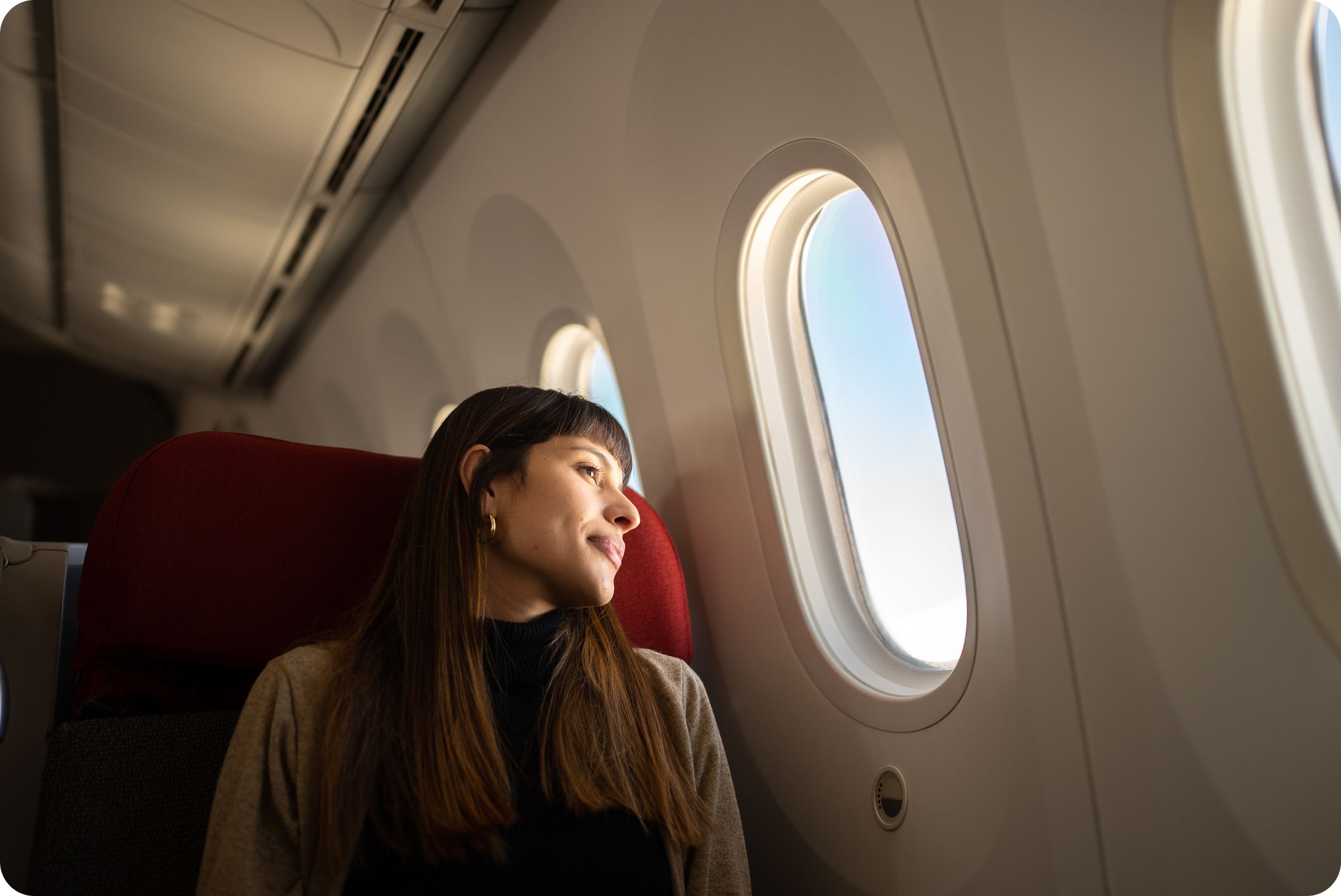
Travelling long distances poses serious risks to your health. Hours of immobility on a plane can cause dangerous circulation problems, painful swelling, and increase your risk of blood clots. Engaging in simple airplane exercise and circulation-boosting movements during long flights is not just about comfort; it can help reduce stiffness, swelling and support healthy blood flow throughout your journey.
How long flights affect circulation and increase blood clot risk
Research conducted by the World Health Organization (WHO), as part of the WRIGHT project, found that “the risk of venous thromboembolism (VTE) approximately doubles after a long-haul flight of more than four hours” and that the absolute risk for healthy individuals is about 1 in 6,000 per flight.
This means that while the overall risk for most healthy travellers is low, prolonged immobility during flights can significantly increase the chance of developing blood clots, making simple movement and exercises on the plane during flights crucial to maintaining circulation and reducing health risks.
In this guide, we’ll cover effective airplane exercises, tips for long flights and inflight movement strategies, as well as how Allianz international health insurance can help protect you while travelling.
Why airplane workouts and in-flight exercises matter on long flights
Long flights can take a toll on your body. Sitting in a confined space for hours reduces blood flow, leading to swelling in your feet and legs. Prolonged sitting during long flights can increase the likelihood of swelling, discomfort, and circulation-related issues, making regular movement especially important.
If you’re seeking practical advice for long flights, simple movements like airplane workouts can make a significant difference. They help keep your muscles active, improve circulation, and reduce stiffness. Regular movement also leaves you feeling more energised when you reach your destination.
Preparation is key for a comfortable and healthy flight. Take some time to do light stretches or enjoy a short walk to warm up your muscles before you board. Staying well-hydrated throughout the journey is essential, as dehydration can increase swelling and fatigue. Sitting upright with your core engaged helps maintain good posture, supports circulation, and reduces strain on your lower body.
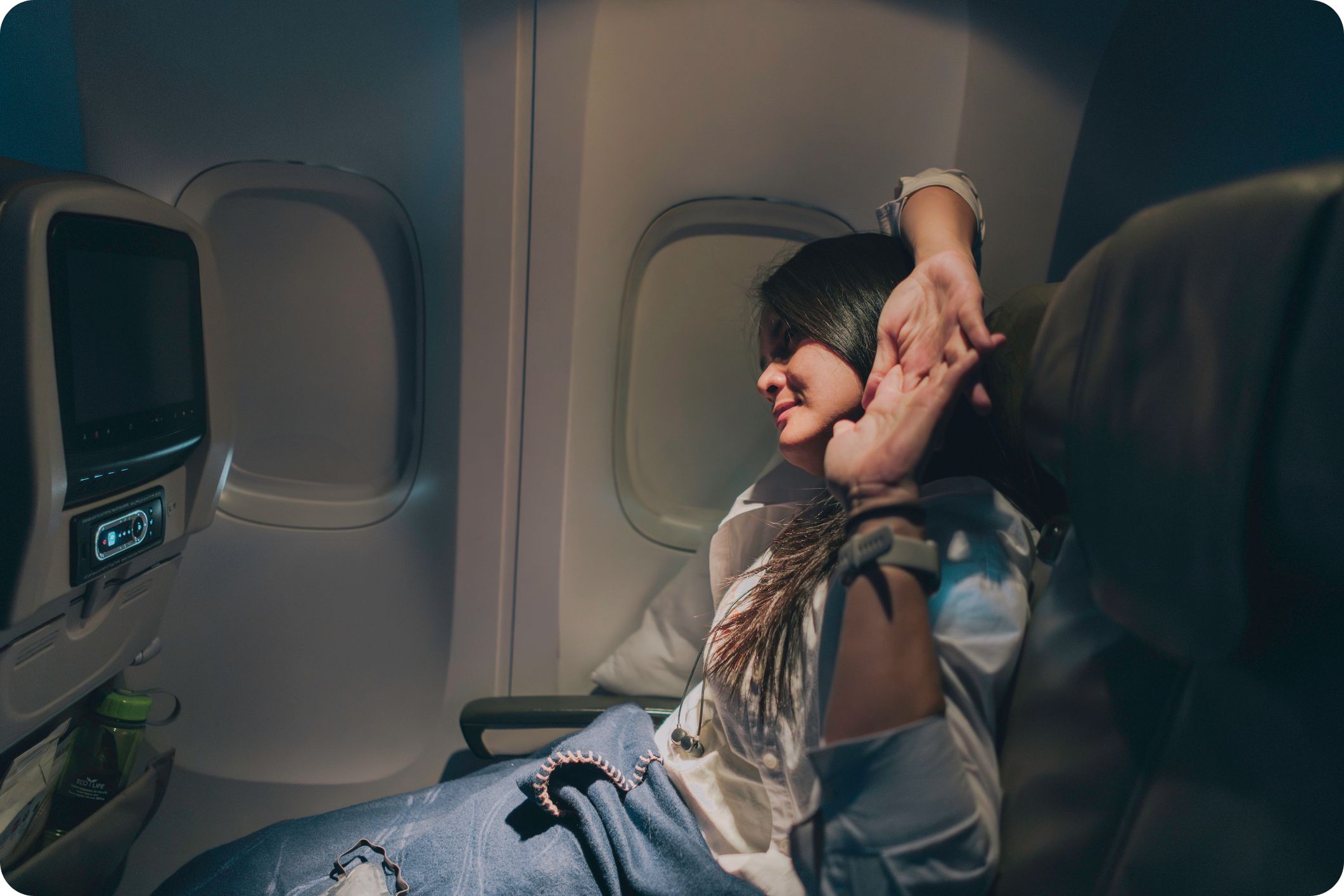
Simple airplane exercises for long flights
Even in a window seat, there are effective airplane exercises you can do without disturbing your neighbours. These simple in-flight exercises can help reduce stiffness, improve circulation, and keep you more comfortable throughout your journey.
Seated marches
Seated marches are a great way to keep your legs moving. Simply lift one knee at a time while keeping your feet slightly off the floor. Repeat two to three times to improve circulation and reduce swelling.
Ankle circles and foot flexes
Rotate your ankles clockwise and counterclockwise while flexing and pointing your feet for one minute per leg. These movements help prevent stiffness and encourage blood flow in your lower legs and feet.
Airplane stretches
Stretch your shoulders, neck and arms while seated for one to two minutes. Reach your arms above your head, clasp your hands, and gently stretch from side to side. This relieves tension and keeps your upper body active.
Leg extensions
Straighten one leg at a time, hold for a few seconds, and repeat ten times per leg. This engages your leg muscles and promotes circulation whilst remaining seated.
Flight fitness tips: stay active, improve circulation and travel with confidence
Airplane walking exercises and other in-flight movement tips
Whenever possible, take short walks up and down the aisle at least once every hour. Walking during flights is one of the most effective ways to combat stiffness and improve circulation. Walking regularly during long flights can help reduce the risk of deep vein thrombosis (DVT) and support healthy circulation. Including airplane walking in your routine can lead to better circulation and reduced fatigue.
Use trips to the bathroom as an opportunity to stand up and add extra walking or stretching whenever you can. On long-haul flights, try to time your walks around meal services or in-flight entertainment breaks.
Best in-flight exercises to improve blood flow and circulation
Poor blood flow during flights worsens swelling and dramatically increases the chances of dangerous blood clots, making circulation exercises critical for safety. Try these simple exercises to increase blood flow and keep your circulation strong throughout your journey:
- Calf Raises: While seated, lift your heels off the floor as high as possible while keeping your toes down. Lower slowly and repeat to activate your calf muscles and stimulate blood flow.
- Leg Rotations: Gently rotate your legs at the hips, making circular motions to encourage circulation.
- Foot Pumps: Flex and point your feet repeatedly while seated to help reduce swelling and improve blood flow in your lower legs.
- Knee Hugs: Bring one knee towards your chest and hold it for a few seconds before switching legs to stretch and stimulate blood flow.
- Glute Clenches: Tighten your buttock muscles, hold for a few seconds and release. Repeat to improve circulation in the lower body discreetly.
Best travel accessories for long flights and better circulation
Neglecting essential accessories like compression socks raises your chances of circulation problems and blood clots, putting your health in jeopardy during long flights.
- Compression Socks: These help improve circulation and reduce the risk of swelling or blood clots.
- Travel Pillows: Support your neck and maintain proper posture while you rest. Memory foam or inflatable options are popular.
- Lightweight Resistance Bands: Perfect for discreet stretches and strengthening exercises while seated.
- Small In-Flight Fitness Kits: Include items like stretch bands, massage balls, or resistance tubes to help you stay active.
Combining these tools with your exercise routine creates a complete strategy for staying fit and comfortable on any flight. For more ways to stay active beyond the plane, explore our Expat Fitness Hub so keep your wellbeing on track wherever life takes you.
Staying fit and protected with Allianz
Staying active during your flight is only part of maintaining a healthy journey. Pairing your in-flight exercise routine with expat insurance overseas ensures you have coverage for medical emergencies, healthcare abroad, and any unexpected situations while travelling.
Without comprehensive health coverage, you risk facing overwhelming medical bills if flight-related complications arise. Allianz protects you against these unexpected emergencies. Protect your health while travelling and enjoy peace of mind with Allianz’s international health insurance.
Frequently Asked Questions for Airplane Exercises, Circulation and Long-Haul Flight Health
Simple airplane exercises such as seated marches, ankle circles, foot pumps, calf raises and leg extensions can help improve circulation, reduce stiffness and minimise swelling during long flights. These movements are easy to perform from your seat and are particularly helpful on journeys lasting more than four hours.
Regular movement and in-flight exercises can help support healthy blood flow and reduce the risk of circulation problems associated with prolonged sitting. Walking the aisle when possible and performing seated exercises throughout the flight are effective ways to stay active during air travel.
Swelling in the feet and ankles is commonly caused by sitting for long periods, which can slow circulation and allow fluid to build up in the lower legs. Staying hydrated, moving regularly, and wearing compression socks can help reduce swelling and improve comfort during long-haul flights.
Compression socks are often recommended for long flights because they help encourage healthy circulation, reduce leg swelling and support overall comfort. They can be particularly beneficial for travellers taking extended flights or those with existing circulation concerns.
Are you moving abroad?
Before venturing to another country, make sure you have a health insurance plan you can rely on
Meet the author
Allianz

At Allianz Partners, Health, our blog is crafted by a team of experts dedicated to providing valuable insights and guidance on global health and insurance topics. With a focus on expatriates, international businesses, and individuals navigating healthcare abroad, our authors bring a wealth of knowledge and experience to every article.
We aim to deliver practical advice, industry updates, and actionable tips to help you make informed decisions, whether you're exploring international health insurance, managing employee health plans, or staying informed about the latest healthcare trends. Trust our blog to be your go-to resource for navigating the world of global health and insurance.