


Table of Contents
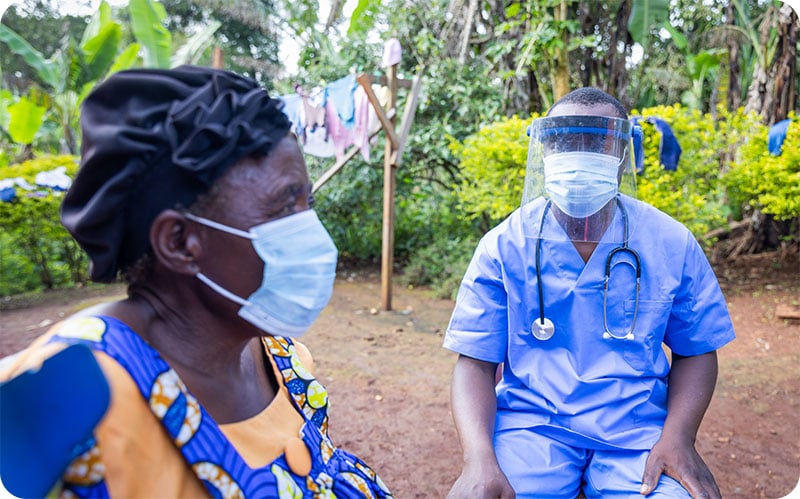
Ebola virus disease (EVD) remains a rare but severe and potentially life-threatening illness, primarily occurring in parts of Sub-Saharan Africa.
The current outbreak (May 2026) has been declared a Public Health Emergency of International Concern by the World Health Organisation due to rising case numbers and cross-border spread.
The outbreak is primarily affecting the Democratic Republic of the Congo (DRC), with imported cases reported in Uganda. Neighbouring countries, including South Sudan, are considered at increased risk due to population movement. Transmission occurs through direct contact with bodily fluids of an infected person or contaminated materials.
This outbreak is caused by the Bundibugyo strain of the Ebola virus, for which there is currently no approved vaccine or specific antiviral treatment. Management is therefore limited to supportive care in specialised treatment centers.
Due to its high infectious risk, suspected and confirmed cases require strict isolation procedures. Access to advanced supportive care, often referred to as “Western standard” care, can significantly influence survival rates.
What this means for Allianz members
For most members, the risk of infection remains very low unless you are travelling to or living in affected areas. However, due to the severity of the disease, it is important to:
- Stay informed
- Take preventive measures
- Act quickly if symptoms develop
Allianz is closely monitoring the situation and is ready to support members worldwide.
If you are in or travelling to affected areas
1. Reduce your risk by avoiding contact with:
- Anyone showing symptoms such as fever or weakness
- Blood or bodily fluids
- Contaminated objects or surfaces
2. Avoid high-risk settings such as:
- Healthcare facilities treating Ebola patients
- Burial ceremonies involving direct contact
3. Follow all local public health guidance
Monitor your health. Symptoms typically include:
- Fever
- Fatigue
- Muscle pain
- Headache and sore throat
These may progress to vomiting, diarrhoea, and in severe cases, organ failure.
Symptoms can develop 2 to 21 days after exposure.
If you develop symptoms
- Seek immediate medical attention
- Inform healthcare providers of your travel history
- Avoid contact with others · Contact Allianz as soon as possible
Early medical care can significantly improve outcomes.

Allianz support for members
Allianz is committed to supporting members in the event of suspected or confirmed Ebola infection. Subject to policy terms and benefit limits of each plan, the follow will apply.
Medical Evacuation Coverage:
In the event of a confirmed infection where adequate treatment meeting Western medical standards is not locally available, most plans will cover the medical evacuation of an insured member to the nearest centre of excellence, or to the member’s home country if repatriation is included in the cover.
Specialised Isolation Transport:
Due to the highly infectious nature of Ebola, evacuation is conducted using a specialised “Isolation Bubble” system. This is a sealed containment unit installed within an air ambulance, designed to:
- Prevent transmission during transport
- Protect medical personnel and crew
- Enable continuous monitoring and care during the entire transfer.
Receiving facility requirements:
All evacuations are subject to acceptance by the receiving hospital and country authorities. This includes:
Coverage and services are subject to policy terms, conditions, and limits stated in the member’s Table of Benefits.
Evacuation feasibility depends on medical condition of the member and international health regulations. Allianz coordinates closely with specialised aeromedical providers and global health authorities to ensure safe and compliant transfers.
Frequently Asked Questions
For most members, the risk is very low. The current outbreak is limited to specific regions in Sub-Saharan Africa. Risk increases mainly for those travelling to or living in affected areas.
Ebola is only spread through direct contact with bodily fluids of an infected person or contaminated materials. It is not transmitted through the air like respiratory illnesses.
Follow local public health guidance, avoid contact with sick individuals, practise good hygiene, and seek medical advice before travelling if you have concerns. Our Travel Security Services, available on our MyHealth app and portal offers advice and tips on mitigating a range of safety, security, and health concerns and helps keep you safe.
Symptoms typically include fever, fatigue, muscle pain, headache, and sore throat. These may progress to vomiting, diarrhoea and more severe complications. Early medical attention is essential.
Seek immediate medical attention and inform healthcare providers of your recent travel history. Avoid contact with others until assessed.
Yes, treatment is covered by all plans, subject to your policy terms and in-patient plan benefit limits. Where medically necessary and the treatment is not available at Western standards, evacuation to an appropriate treatment facility will be covered if this benefit is listed on your table of benefits. To check if your plan covers medical evacuation, login to MyHealth and check ‘My benefits’.
Most plans cover medical evacuation in confirmed cases and where medically appropriate. Evacuation is carried out using specialised isolation transport and depends on medical condition and receiving country approval.
There is currently no approved vaccine or specific antiviral treatment for the Bundibugyo strain. Care focuses on supportive treatment in specialised centres.
Members should contact Allianz as soon as possible if they need assistance. Our teams coordinate care, guidance, and evacuation support where applicable.
Legal Disclaimer
The information provided in this article is for educational and informational purposes only and is not intended as a substitute for professional medical advice, diagnosis, or treatment. Always seek the advice of your doctor, or other qualified healthcare provider with any questions you may have regarding Ebola infection or any health concerns. Never disregard professional medical advice or delay seeking it because of information you have read in this article.
If you believe you may have develop any symptom, please consult with a healthcare professional immediately for proper evaluation and personalized recommendations.
Meet the author
Allianz

At Allianz Partners, Health, our blog is crafted by a team of experts dedicated to providing valuable insights and guidance on global health and insurance topics. With a focus on expatriates, international businesses, and individuals navigating healthcare abroad, our authors bring a wealth of knowledge and experience to every article.
We aim to deliver practical advice, industry updates, and actionable tips to help you make informed decisions, whether you're exploring international health insurance, managing employee health plans, or staying informed about the latest healthcare trends. Trust our blog to be your go-to resource for navigating the world of global health and insurance.