

How to take care of your senses – Strategies for healthy eyes and ears
By Allianz | June 1, 2026 | 5 Min Read
Table of Contents

Looking after yourself starts with taking care of your senses. Two of our most important senses – sight and hearing – play a huge role in keeping our independence, staying connected, and enjoying life’s everyday moments.
So, what are the best ways you can take care of your eyes and ears? While some changes are natural as you age, there are some simple steps you can take to help protect your sight and hearing for many years to come.
Strategies for healthy eyes
Sometimes it’s easy to forget just how much you depend on your vision. Think about how hard your eyes work from the moment you wake up until you close them at bedtime. That’s why taking care of your eyes is so important. Here are some simple strategies you can incorporate into your daily routine to keep your vision sharp.
Wear UV protective sunglasses all year round
Just like your skin, your eyes need protection from the sun’s strong ultraviolet (UV) rays. Wearing good quality sunglasses with 100% UV protection reduces the risk of damaging your eyes. Since harmful UV rays are present all year-round, wearing sunglasses as much as possible is recommended; even when it’s overcast or cloudy.
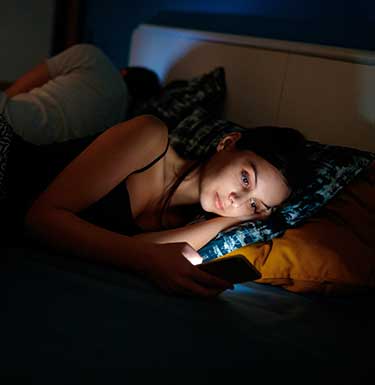
Limit screen time
If you spend a lot of time looking at a computer, give your eyes a rest with the “20-20-20” rule: every 20 minutes, focus on an object 20 feet away for 20 seconds. This helps to relax the eye muscles and reduce eye strain. Because you blink less when looking at a computer screen, it’s important to remember to make a conscious effort to blink often. You can also invest in a pair of blue light blocking glasses that help to reduce glare from your mobile phone or computer.
Wear protective eyewear
When playing sports or working around the home with potentially dangerous materials or chemicals, always wear protective eyewear to protect against possible eye injuries. Experts recommend safety goggles with shatterproof lenses.
Get your eyes tested regularly
Make it a priority to get your eyes tested every two years, even if you aren’t experiencing any problems with your vision. Regular eye tests are key to spotting early indications of eye diseases such as cataracts, glaucoma, diabetes and Age-Related Macular Degeneration (AMD).
Pay attention to changes in your vision
Sudden changes to your vision should never be ignored. If you notice any of the following signs - blurred vision, flashes of light, double vision, or a sudden loss of sight in one or both eyes - contact your optician. Many eye diseases progress silently, meaning that by the time symptoms become noticeable, significant damage may have already happened. So acting quickly could make the difference between preserving and permanently losing your sight.
Know your family eye history
Knowing your family's eye history can provide important clues about your predisposition to many eye diseases and vision problems. Consult your doctor if you have a family history of eye disease, diabetes, or high blood pressure.
Quit smoking
Smoking hurts the health of your eyes as much as it does the rest of your body. Smoking increases your risks of developing a variety of diseases that affect the eye such as cataracts, macular degeneration, and optic nerve damage.
Eat a nutritious diet
Studies show that what you eat can affect your vision. A well-balanced diet rich in vitamins and minerals, particularly those beneficial for eye health like vitamin A, C, and E, as well as omega-3 fatty acids, can help protect your eyes from age-related macular degeneration and other diseases. Load up on leafy greens like spinach, broccoli, cabbage, and kale, and orange-coloured fruit and veg like carrots, and oranges. Oily fish including salmon, tuna, and mackerel have been shown to help your eyes, too.
Drink water
Just like the rest of your body, your eyes depend on water to work at their best. Staying hydrated can help support healthy tear production and also reduce dry eye symptoms. Try to drink at least eight 8 glasses of water every day to promote healthy eyes.
Practice good eye hygiene
Maintaining good hygiene habits can help prevent eye infections and irritation. This includes not touching or rubbing your eyes with unwashed hands, always removing makeup before bedtime to prevent clogged glands and bacterial build-up along the eyelids, and removing and properly cleaning contact lenses before getting into bed. It is also recommended that you change your eye makeup frequently to stay infection-free.

Strategies for healthy ears
Hearing loss is the third most common chronic physical condition behind arthritis and heart disease, according to the Centres for Disease Control and Prevention (CDC).
Just like any other part of your body, your ears also need a little TLC to keep them in tip top condition. Here are some ear care strategies to enhance your hearing health and avoid damaging your ears.
Get regular hearing check-ups
Your vision isn’t the only one of your senses to benefit from regular check-ups. Regular hearing tests, especially as you get older, can help detect issues early. According to guidelines from the World Health Organisation (WHO), adults 50 and older should be screened every five years, and adults 65 and over every one to three years.
Avoid inserting anything into your ear
When you insert a cotton swab or other object into your ear, you risk pushing earwax deeper into your ear canal, leading to blockages, irritation, and even damage to the eardrum. Your ear canals are designed to be self-cleaning and are incredibly delicate. Earwax prevents fungal infections and bacteria, and keeps out harmful particles like dust and hair that can cause damage to the eardrum. Gentle external cleaning is all that is required to keep your ears clean.
Keep your ears dry
Excess moisture can cause bacteria to enter the ear canal and create an infection. After swimming or showering, tilt your head to the side to help remove any excess water, then dry your ears with a towel. Alcohol-based eardrops can also evaporate excess water caught in the ear canal. If you swim on a regular basis, consider investing in a pair of earplugs specially designed for swimmers.
Use ear protection in noisy environments
One of the most common causes of hearing damage is exposure to loud sounds. Sustained exposure to loud noise can be damaging to your ears. In loud environments such as construction sites, factories, and concerts, or when using power tools, loud machinery, or just moving the lawn, protect your ears by wearing industrial-strength earplugs or noise-cancelling earmuffs. If you are attending a concert, avoid standing too close to the speakers, and take breaks of 5-10 minutes away from the music.
Turn down the volume
Listening to loud music can damage your hearing. A good guideline is to follow the 60/60 rule when listening to music on your headphones: listen at no more than 60% volume for no longer than 60 minutes at a time.
Disinfect your earrings
If you have pierced ears, clean your earrings and earlobes regularly with some disinfectant or alcohol wipes.
Maintain a healthy diet
Eating a balanced diet which is rich in vitamins and minerals can have a positive impact on your hearing health, such as foods high in omega-3 fatty acids (fish), magnesium (bananas), and vitamins A, C, and E.
Know the warning signs of hearing damage
See your doctor if you have ear or hearing problems. Ringing in the ears, dizziness, muffled sound in the ears, and loss of balance are common signs of early or temporary hearing damage.
Frequently Asked Questions
It is recommended that adults have an eye exam evert two years, and every year if you are over 60. However, if you have risk factors such as diabetes, high blood pressure, a family history of eye disease, or if you wear glasses or contact lenses, more frequent exams may be necessary. For children, eye exams should start at six months, again at three years, and then just before starting school.
Digital eye strain is the discomfort you feel after starting at a digital screen such as a computer, tablet or mobile phone, for long periods without taking breaks. This can cause your eyes to become dry and tired and can lead to headaches and blurry vision because of the intense focus your eyes maintain when viewing a screen up close, causing them to work harder. It’s important to take regular breaks to rest your eyes when using digital devices. It’s often recommended you follow the 20-20-20 rule: every 20 minutes, take a break and look at something 20 feet away for 20 seconds.
No, wearing reading glasses will not make your eyes worse. This is a very common misconception. They simply help your eyes focus properly when you’re doing tasks that require close focus.
Age related hearing loss is the most common form of hearing loss that people develop. The hair cells in your inner ear do not regenerate or regrow over your lifetime and suffer irreversible wear and tear. However, not all hearing loss is age related. Exposure to loud noise, excess build-up of earwax, ear infections, and some underlying medical conditions are all common causes of hearing loss.
Some of the signs of hearing loss are often asking people to repeat themselves, thinking people are mumbling when they speak to you, turning up the volume on the TV to be able to hear it, or struggling to hold a conversation in noisy places.
How often you should get your hearing checked will depend on how old you are. For example, experts recommend that if you are between 18-45 years old, you should have a hearing test every five years. If you are between 45-60 years old, you should have a hearing test every three years. And if you are 60 years or older, it is advised that you get your hearing checked every two years.
You should also get a hearing test if you experience any of the following risk factors:
- Difficulty hearing in noisy environments.
- Frequently asking people to repeat themselves.
- Frequently having to turn up the volume on the TV or radio.
- Ringing or buzzing in your ears (tinnitus).
Key Takeaways
- Wear sunglasses with 100% UV protection year-round, even on cloudy days.
- If you spend a lot of time looking at a computer, follow the 20-20-20 rule (every 20 minutes, look 20 feet away for 20 seconds).
- Get an eye exam every two years (or annually if over 60).
- Wear protective eyewear for sports and DIY tasks.
- Never ignore sudden changes to your vision - blurred vision, flashes of light, double vision, or a sudden loss of sight.
- Never insert cotton swabs or objects into the ear.
- Wear ear protection in noisy places (concerts, construction sites, etc).
- Follow the 60/60 rule: Limit headphone use to 60% volume for no more than 60 minutes at a time.
- Keep ears dry after swimming or showering.
- Get regular hearing check-ups (every 1-5 years depending on age).
- Know the warning signs of hearing damage: ringing in the ears, dizziness, muffled sound in the ears, and loss of balance.
Looking after yourself starts with taking care of your senses
Many of our out-patient or optical plans include a variety of optical-related benefits, such as routine eye exams, prescribed glasses, contact lenses, and laser eye treatment. Additionally, some of our plans provide and annual hearing examination, prescribed hearing and speaking aids such as an electronic larynx. To confirm the specific benefits available under your plan, please refer to your Table of Benefits, accessible via the MyHealth app or portal.
If you are not a member and want to learn more about our solutions, our Sales team is here to help.
Legal Disclaimer
This blog post is intended for informational purposes only and does not constitute medical, professional, or legal advice. The content provided is not a substitute for consultation with qualified healthcare professionals regarding your individual health concerns or sensory health needs.
While every effort has been made to ensure the accuracy of the information, Allianz does not guarantee its completeness or reliability. Any reliance on the content is at your own discretion and risk.
If you experience any issues with your vision, hearing, or overall health, please consult a licensed healthcare provider promptly. Allianz is not liable for any outcomes resulting from the use or interpretation of the information provided in this blog.
For personalized advice or further assistance, always seek professional guidance.
Meet the author
Allianz

At Allianz Partners, Health, our blog is crafted by a team of experts dedicated to providing valuable insights and guidance on global health and insurance topics. With a focus on expatriates, international businesses, and individuals navigating healthcare abroad, our authors bring a wealth of knowledge and experience to every article.
We aim to deliver practical advice, industry updates, and actionable tips to help you make informed decisions, whether you're exploring international health insurance, managing employee health plans, or staying informed about the latest healthcare trends. Trust our blog to be your go-to resource for navigating the world of global health and insurance.