

Table of Contents
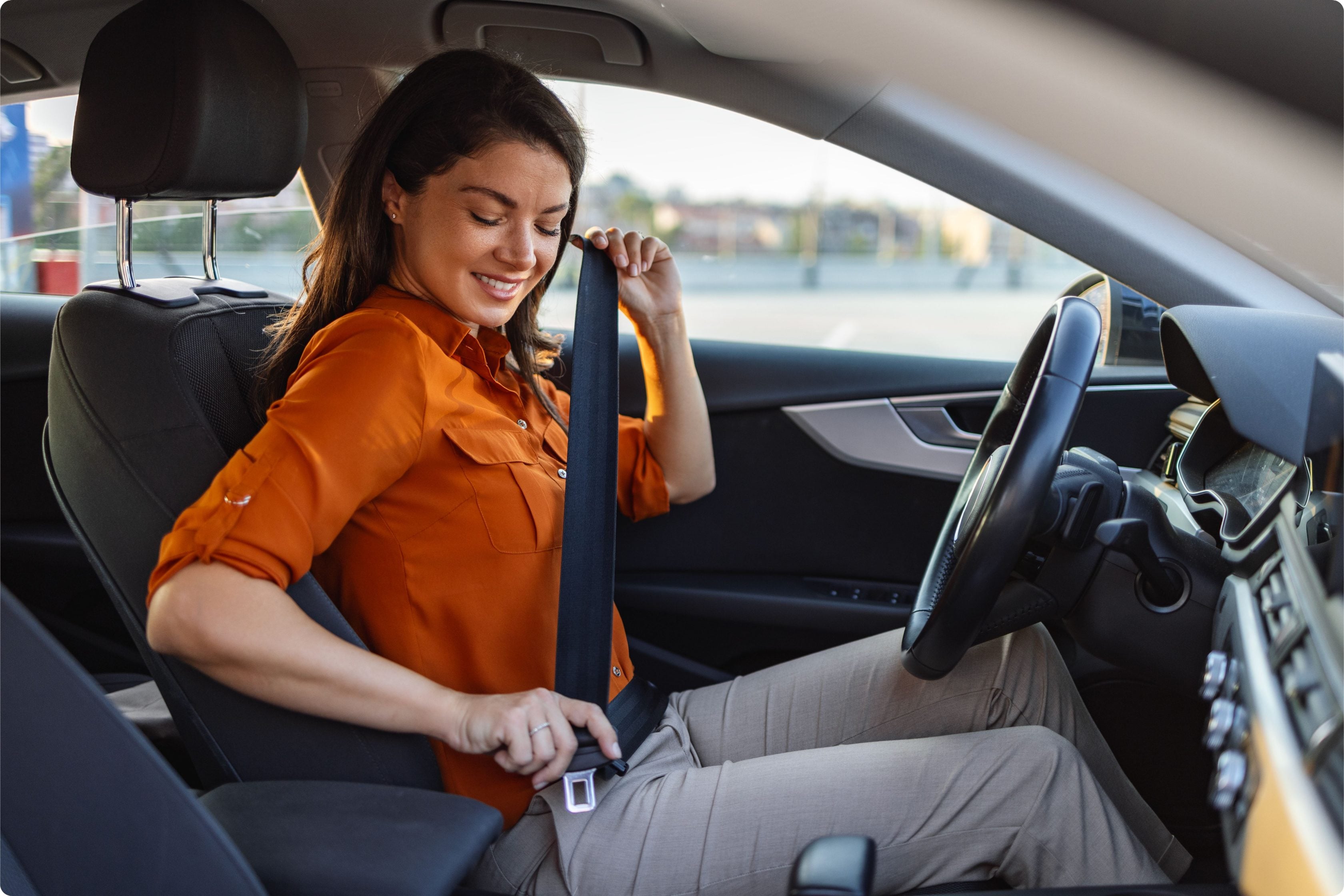
Relocating to a new country as an expat brings many adjustments, including finding the right expat car insurance. Expat car insurance can be complicated due to different regulations, coverage options, and requirements across countries. These variations can make it challenging to know what’s required and ensure you’re properly protected.
In this guide, we’ll explain the main challenges of expat car insurance and provide practical tips to help you secure the best coverage for your situation, so you can drive with confidence wherever you live.
What is expat car insurance and why do you need it?
Expat car insurance is designed for people who have moved abroad and need vehicle cover in their new country of residence. Living overseas often means different driving laws, insurance requirements and local regulations, which can make arranging the right policy more complex.
Expat car insurance helps bridge that gap by offering protection that reflects your personal circumstances and meets the legal standards of the country where you live. It provides peace of mind that you are covered and can continue driving confidently wherever in the world you settle.
Common challenges when buying car insurance as an expats

1. Understanding local regulations
Every country has its own set of rules and regulations when it comes to auto insurance. For example, insurance requirements in the UK differ significantly from those in the United States. It’s essential to familiarise yourself with local requirements to ensure compliance and adequate protection.
2. Driving history and records
Your driving history and record play a crucial role in determining your car insurance premiums. Some countries may require a detailed driving history from your home country, while others might start your record anew. Make sure to gather all necessary documentation to facilitate this process.
3. Language and administrative barriers
Managing policies, claims and paperwork in another language can be challenging. Misunderstandings can lead to gaps in cover or delays in processing claims. Choosing an insurer with multilingual support can make this easier.
4. Cost and currency considerations
Exchange rates, local taxes and varying risk assessments can all affect the cost of insurance. Comparing quotes in your host country’s currency and understanding how payments are processed can prevent unexpected expenses.
5. Limited insurer options or refusal of coverage
Some insurance companies may decline to provide quotes for new residents, non-EU drivers, or those with unconventional driving backgrounds. This can make it harder to find coverage quickly after relocation.
Types of expat car insurance coverage
Understanding the types of expat car insurance coverage available in your new country is essential. Common options include:
1. Liability coverage:
This covers damages to other people or property in the event of an accident. It is often the minimum level of cover required by law, so it is important to check the minimum limits set in your new country.
2. Comprehensive coverage:
This protects against a wide range of incidents, including theft and natural disasters. It can also include cover for vandalism, weather damage and other unexpected events, offering a higher level of peace of mind.
3. Third party, fire and theft:
This provides cover for damages caused to a third party, as well as for fire damage and theft. It can be a suitable option if you want more protection than basic liability cover but do not need the full range of benefits offered by comprehensive insurance.
How to choose the best expat car insurance policy
Determine the level of expat car insurance coverage you need based on your circumstances. For example, if you own an expensive vehicle, comprehensive coverage might be more suitable. Alternatively, if you're only staying temporarily, temporary car insurance might be the best option.
A clean driving record can significantly impact your car insurance premiums. Avoid traffic violations and accidents to keep your premiums low. Comparing multiple providers and obtaining several quotes can help expats find the most suitable car insurance policy at a competitive price.
Important factors to consider before purchasing expat car insurance
1. How to make an insurance claim
In case of an accident, knowing how to file an insurance claim is crucial. Understand the claims process in your new country and keep all necessary documentation readily available.
2. Adjusting coverage as needed
Regularly review and adjust your car insurance coverage to ensure it continues to meet your needs. Changes in your circumstances, such as purchasing a new vehicle or moving to a different region, may necessitate updates to your policy.
3. Understanding policy exclusions and limitations
It’s important to be aware of what your expat car insurance policy does not cover. Common exclusions can include certain types of damage, driving in specific countries, or coverage for other drivers, so reviewing the fine print helps avoid unexpected costs.
Other types of insurance to consider as an expat
You should also consider other types of insurance as an expat:
1. International health insurance
Protect your physical health and wellbeing with comprehensive international health insurance during your expat assignment. Expat health insurance is a specialist product that allows access to private healthcare in your destination of choice. Coverage and costs vary depending on your needs, but you can take out an expat health insurance policy as a professional, family or growing family.
2. Medical evacuation insurance
Medical evacuation insurance covers the cost of transporting you to the nearest suitable medical facility if the treatment you need isn’t available locally. This is particularly important in countries with limited healthcare options or remote locations. Having this coverage ensures you and your family can access appropriate care quickly and avoid unexpected expenses while living abroad.
3. Special risk insurance
Are you traveling to a remote or dangerous location on expat assignment? If you work for an NGO, aid agency or private company, there are locations where armed conflict, kidnap or aggravated robbery are a consideration. Special risk insurance can cover unexpected costs associated with these events.
Key Takeaways
Tip: Protecting yourself financially with the correct levels of insurance is only one thing you need to do prior to moving overseas. Discover more items you should consider looking into prior to leaving your home country in our moving overseas checklist today.
Allianz – supporting your move abroad
Moving abroad brings many exciting opportunities but it also comes with challenges, including protecting your health and financial wellbeing while settling into a new country. Understanding local regulations, evaluating your coverage needs and planning ahead can help you feel more secure as you adjust to life overseas.
Allianz’s comprehensive international health insurance plans are designed to provide you with access to quality healthcare wherever you are. Whether you're traveling alone, with a partner, or as a family, we offer tailored coverage options to meet your needs.
Explore the Allianz Wellness Hub to take control of your wellbeing and enjoy peace of mind throughout your expat journey. Access expert advice, fitness guidance, mental health support and nutrition tips all in one convenient place.
Frequently Asked Questions About Expat Car Insurance
In many cases, your existing car insurance policy may only provide limited cover when driving in another country, often for a temporary period. If you become a resident in a new country, you may be required to obtain a local insurance policy that complies with local laws and registration requirements. The rules vary by insurer and country, so it's important to check the terms of your policy and local regulations before relocating.
The cost of car insurance for expats varies depending on factors such as your country of residence, driving history, age, vehicle type, location and level of cover. In some cases, premiums may be higher if an insurer cannot verify or recognise your previous driving or claims history. However, costs can also be comparable to those paid by local residents depending on individual circumstances.
Some insurers may accept evidence of your driving experience, claims history or no-claims bonus from your home country, while others may not. Acceptance varies by insurer and country, so it's worth checking in advance and obtaining any relevant documentation before you move.
Requirements vary by country and insurer, but commonly requested documents include:
- A valid driving licence
- Proof of address or residency
- Vehicle registration documents (if applicable)
- Previous insurance records or no-claims documentation (if accepted)
- Proof of identity, such as a passport or national identity card
Disclaimer: This information is for general guidance only and is not intended as legal, medical, financial, tax, or immigration advice. Rules and situations may change, so please do not rely on this content alone. For advice based on your personal circumstances, speak with a qualified professional.
Are you moving abroad?
Before venturing to another country, make sure you have a health insurance plan you can rely on
Meet the author
Allianz

At Allianz Partners, Health, our blog is crafted by a team of experts dedicated to providing valuable insights and guidance on global health and insurance topics. With a focus on expatriates, international businesses, and individuals navigating healthcare abroad, our authors bring a wealth of knowledge and experience to every article.
We aim to deliver practical advice, industry updates, and actionable tips to help you make informed decisions, whether you're exploring international health insurance, managing employee health plans, or staying informed about the latest healthcare trends. Trust our blog to be your go-to resource for navigating the world of global health and insurance.