


Table of Contents
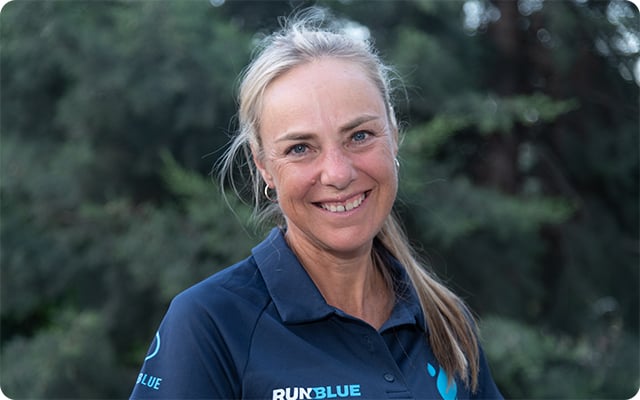
Mina Guli is CEO of the Thirst Foundation and a globally recognised advocate for water conservation. An Australian ultra-runner, she has completed hundreds of marathons through some of the world's most water-stressed regions to raise awareness of the growing global water crisis. Through her work with governments, businesses and communities, Mina promotes sustainable water use and encourages collective action to safeguard water security for future generations.
In this article, Mina shares her personal experiences and practical insights on how we can all contribute to solving the global water crisis.
Small actions, big impact: water conservation solutions for a more sustainable future
I’ve spent the last nine years running hundreds of marathons through the most water-stressed regions on Earth. From deserts and cracked riverbeds to salt pans where crops once grew, I run to tell the stories of those living on the frontlines of the global water crisis and to drive the collective action needed to solve it. Everywhere I’ve run, I ask people the same question: “What does water mean to you?” The answer is universal. Water is life. Water is everything to everyone, everywhere.
It powers our homes, grows our food, drives our economies and sustains every living thing. Nothing is more universal or more essential. Yet for too long, we have treated it as if it were worthless. We turn on the tap and expect clean water to flow, without thinking about where it really comes from, not from the pipes in our homes, but from our rivers, lakes, wetlands and glaciers, precious ecosystems that are collapsing before our eyes.
When these natural systems break down, everything that depends on them starts to break down too. Experts forecast that in just five years, global water demand will outstrip supply by 40%, intensifying the global water crisis and increasing the need for effective water crisis solutions and water management plans. I’ve seen what that looks like: towns where the taps have run dry and for-sale signs line the streets, farms left barren by drought, glaciers retreating faster than ever, and rivers that no longer reach the sea.
We’re already seeing what happens when we take water for granted and where we’re headed if we don’t take urgent action. That’s not the future I want for us, or for future generations. It’s one I’m determined to help us avoid.
That’s why I believe in the power of small steps. While governments and businesses play an important role in tackling water scarcity, individuals can also contribute through simple water conservation measures at home and in their communities. Solving the global water crisis can feel overwhelming, but some of the most impactful water crisis solutions start with the choices we make every day. Every time we turn off the tap, reduce food waste, repair a leak, or reuse our clothes, we’re doing something that makes a difference. These steps might seem small, but when taken together by individuals, families, businesses and governments, they can drive extraordinary change.
How to conserve water at home with simple steps
There are two places we can take action: inside the home, and outside of it. Inside the home, it starts with simple habits and effective water conservation tips:
- Turn off the tap when you brushing your teeth to reduce water waste and conserve water every day.
- Reuse, repair and recycle clothing to reduce the hidden water footprint of fashion.
- Run your dishwasher and washing machine only with full loads to save water and energy.
- Reduce food waste, as food production accounts for a significant share of global water consumption. Think about what you’re putting on your plate, eat everything on it, and save the leftovers for tomorrow. Think, eat, save.
Each of these water conservation habits can help reduce household water consumption and contribute to wider efforts to address the global water crisis, especially when we understand how much water is embedded in everything we buy, use and consume, from our food to our clothes and even the power that charges our phones.
The water it took to make the clothes you’re wearing right now is more than all the water you’ll drink before you turn 40. That’s the scale of the challenge we’re facing, and it’s exactly why small shifts in how we live can have such a big impact on how to conserve water.

How to save water outside the home and support water conservation
There are two powerful ways we can act: through the choices we make when we spend, and the choices we make in who we vote for and support. Every time we buy something, we have the opportunity to support the people and companies doing the right thing. Think carefully, ask questions, spend wisely, and support the businesses working to value and protect water through water conservation strategies and the use of water saving techniques. Consumer choices can encourage more sustainable water use across industries such as agriculture, food production and fashion.
When it comes to the ballot box, we have just as much power. Every vote is a chance to support the people and policies that understand the role of water in every part of our lives, from health to food, climate and community wellbeing. Vote thoughtfully and back the leaders who prioritise water and are putting long-term water security at the forefront of our shared future.
It doesn’t matter what you run in your life, your household, your business or your daily routine, you have the power to prioritise water in the choices you make, and to help put it where it belongs: at the top of the global agenda.
What’s next? Water crisis solutions for a more water secure future
The water crisis isn’t confined to one river or country. It’s unfolding across the world, where rivers are shrinking, water systems are strained, and the impacts are cascading into homes, harvests, jobs and health. The scale of the challenge can feel overwhelming, but change doesn’t start with sweeping reforms or grand solutions. It starts with each of us choosing to act.
There is no single solution to the global water crisis. Progress requires action from governments, businesses and individuals alike. From adopting water-saving habits and reducing waste to supporting sustainable water policies, every action contributes to protecting one of our planet's most valuable resources.
If you’re wondering whether your actions matter: they do. Start where you are. Ask questions. Make thoughtful choices. Support the people and policies working to protect water security. When we do that, when we act together with courage and determination, we don't just protect water. We protect each other and we protect our futures.
Want to learn more about water conservation, water scarcity and the actions we can take to protect our future? Explore Allianz's Water Hub for expert insights, practical tips and resources designed to help create a more water-secure world.
Frequently asked questions about water conservation
Some of the most effective ways to conserve water at home include turning off the tap when brushing your teeth, running washing machines and dishwashers only with full loads, fixing leaks promptly, reducing food waste and choosing products with a lower water footprint.
Water conservation helps protect freshwater resources, reduce pressure on water systems and support long-term water security. As demand for water continues to grow, conserving water is essential for people, communities and ecosystems.
The global water crisis refers to the growing imbalance between water supply and demand, driven by factors such as climate change, population growth, pollution and unsustainable water use. It affects access to safe water, food production, public health and economic development.
Businesses can support water conservation by improving water efficiency, reducing waste, adopting sustainable practices throughout their supply chains and investing in solutions that protect water resources.
Hear more from Mina Guli
In our Allianz Water Expert Podcast, Mina explores the growing global water crisis, the importance of water conservation and the actions individuals, businesses and governments can take to help safeguard water security.
Water Hub
Check out the new Allianz partners water hub to discover importance of water security and conservation and how to protect and improve your own water supply for your family, business and own personal health

Are you moving abroad?
Before venturing to another country, make sure you have a health insurance plan you can rely on.